
Description
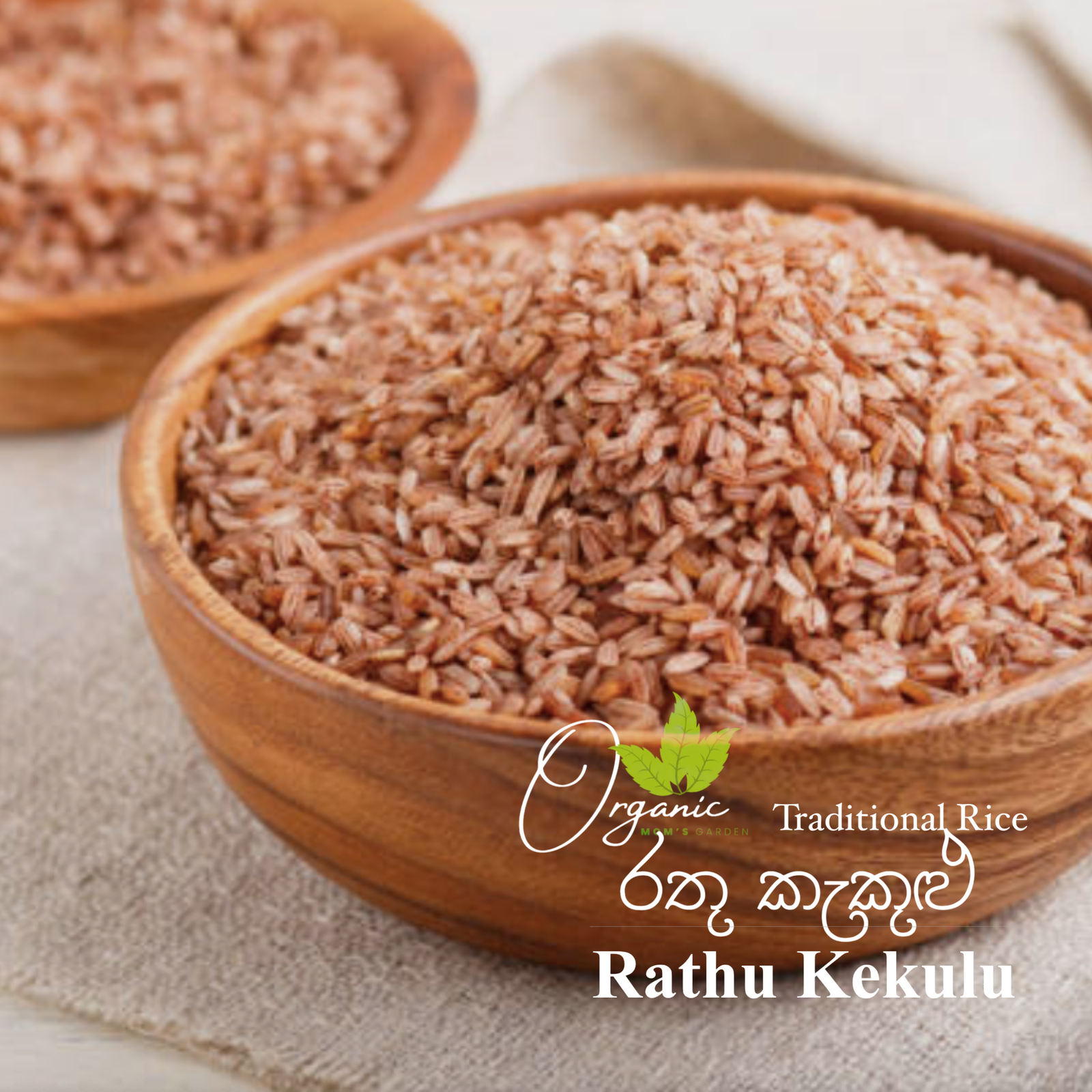
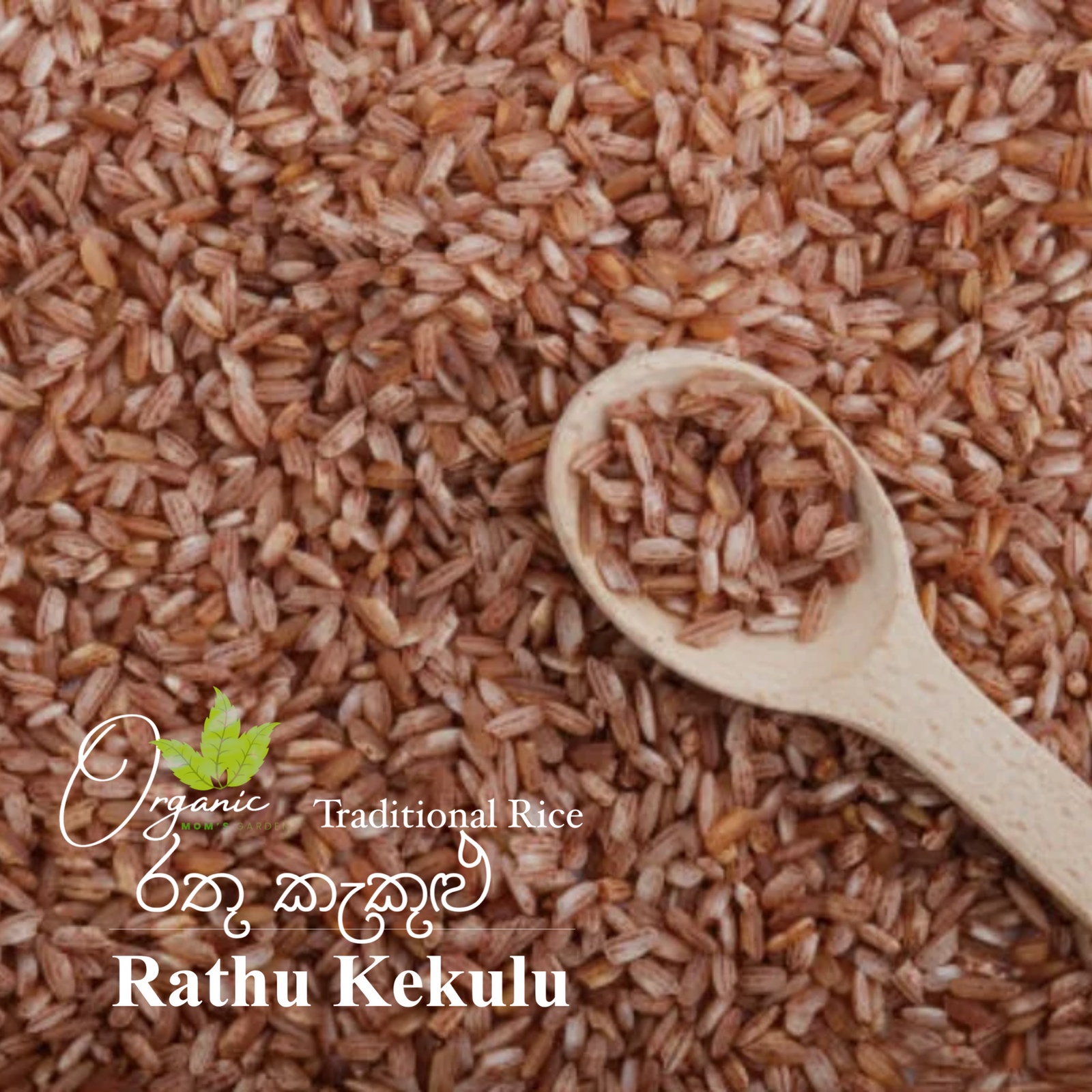
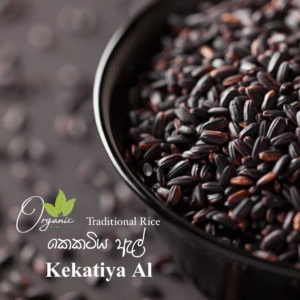
Rathu Kakulu (Sinhala: රතු කැකුලු) is a traditional red rice variety commonly grown and consumed in Sri Lanka. It’s a type of red raw rice (not parboiled), known for its distinctive reddish-brown color, which comes from the presence of the bran layer, rich in antioxidants.
🥣 Nutritional Value (per 100g cooked) [approximate]
-
Calories: 110–130 kcal
-
Carbohydrates: 25–28 g
-
Protein: 2–3 g
-
Fiber: 2–3 g
-
Fat: <1 g
-
Iron: Good source
-
Zinc & Magnesium: Moderate amounts
-
B Vitamins: Especially B1 (thiamine) and B6
-
Antioxidants: Anthocyanins (from red bran layer)
✅ Health Benefits of Rathu Kakulu
🔬 1. Phytochemicals & Antioxidants
-
The red pigment in Rathu Kakulu comes from anthocyanins, a powerful class of antioxidants.
-
These compounds are known to:
-
Protect cells from damage
-
Reduce inflammation
-
Improve blood vessel strength
-
Support eye and skin health
-
Regular consumption of anthocyanin-rich foods is associated with reduced risk of chronic illnesses like heart disease, diabetes, and even certain cancers.
🧠 2. Mental Health and Cognitive Benefits
-
Thanks to B vitamins, magnesium, and antioxidants, Rathu Kakulu supports brain function, nerve health, and mental clarity.
-
Magnesium and B6 also help regulate mood and sleep patterns.
🦴 3. Bone Health
-
Contains trace minerals like phosphorus, magnesium, and manganese, which are essential for:
-
Strong bones and teeth
-
Preventing bone-related issues like osteoporosis (especially important for older adults)
-
🩸 4. Anemia Prevention
-
Iron content is higher than in white rice varieties.
-
When combined with vitamin C–rich foods (like sambol or curries with lime), it boosts iron absorption, helping prevent iron deficiency anemia.
🍚 Rathu Kakulu vs. Other Sri Lankan Rice Varieties
| Rice Type | Color | Fiber | GI (Blood Sugar Impact) | Nutrients | Best For |
|---|---|---|---|---|---|
| Rathu Kakulu | Red | High | Medium | Iron, B vitamins, Antioxidants | Daily use, diabetes, heart health |
| Sudu Kakulu | White | Low | High | Lower in nutrients | Occasional use, light meals |
| Kalu Heenati | Dark red/brown | Very High | Low | Iron, zinc, antioxidants | Recovery, pregnancy, anemia |
| Samba | White or red | Medium | Medium | Moderate fiber and B vitamins | Festive meals, soft texture |
🥘 Traditional & Cultural Uses
-
Commonly eaten with:
-
Parippu (dal curry)
-
Pol sambol (coconut sambol)
-
Lunu miris
-
Mallung (leafy green stir fry)
-
-
Often used during Poya days, fasting periods, and Ayurvedic diets.
-
Considered a “heaty” food in traditional medicine, good for people with “cold” body types.
🧑⚕️ Ayurvedic Perspective
In Ayurveda, Rathu Kakulu is:
-
Strengthening (promotes ojas, or vitality)
-
Good for people with Kapha and Vata imbalances
-
Used to support postpartum recovery, increase blood strength, and rebuild tissues
⚠️ Things to Keep in Mind
-
Cooking Time: Takes longer than white rice; pre-soaking helps.
-
Chewy Texture: Not as soft as polished rice, but it’s heartier and more satisfying.
-
Not for babies or elderly with sensitive digestion unless well-cooked.
Reviews
There are no reviews yet.