
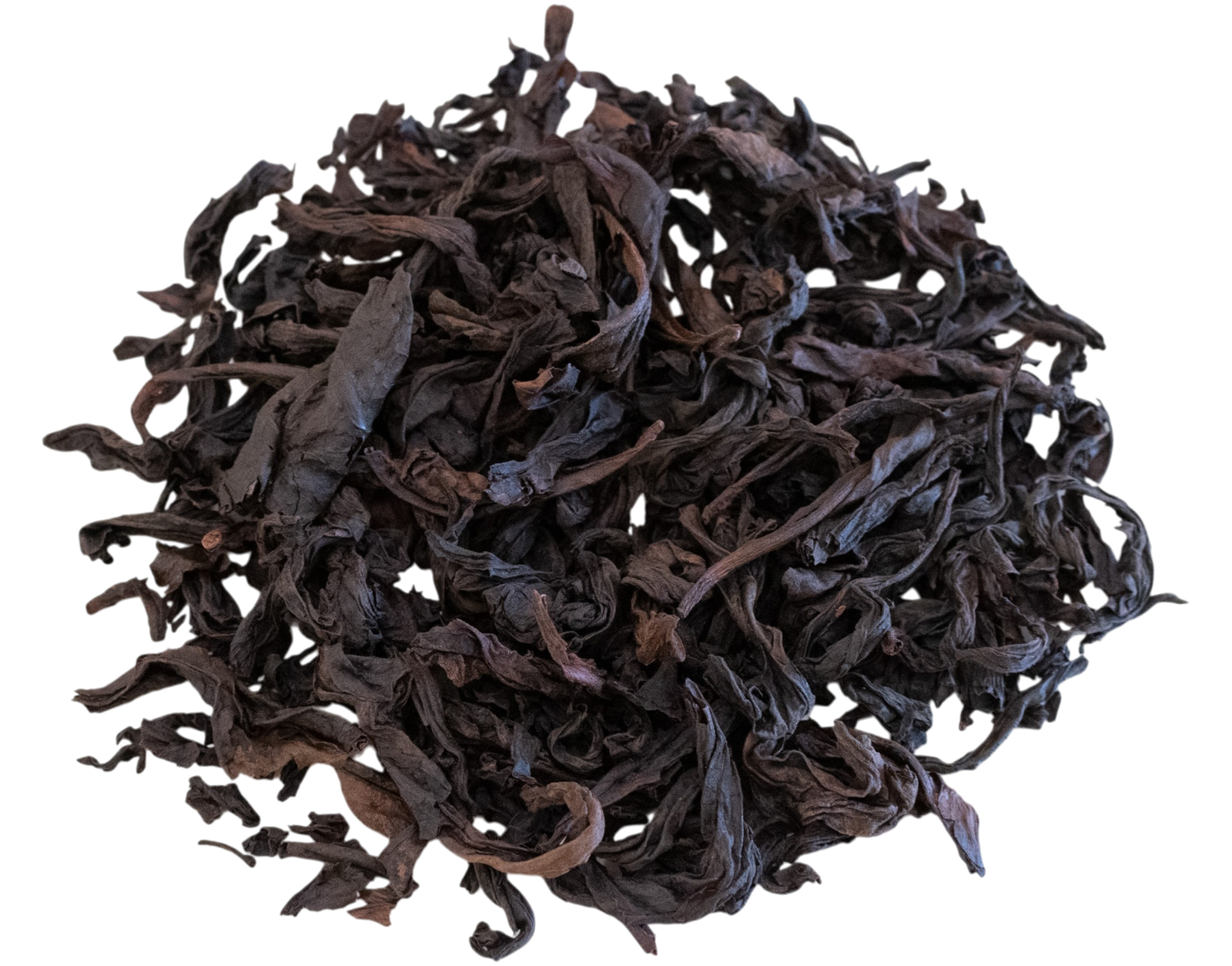
Description
🍊 Orange Pekoe (OP) Tea – What It Is
Orange Pekoe (OP) is a grade of black tea, not a flavor. Despite the word orange, this tea doesn’t taste like oranges—nor does it contain any. The name refers to the size and quality of the tea leaves, specifically whole, long, and wiry leaves made from the young flushes of the tea plant (Camellia sinensis).
🔍 Why Is It Called Orange Pekoe?
-
“Orange”: Believed to honor the Dutch Royal House of Orange-Nassau, symbolizing premium quality.
-
“Pekoe”: Derived from a Chinese word meaning white down/hair, referring to the young tea buds with fine white hairs.
🌿 Characteristics of Orange Pekoe (OP)
| Feature | Description |
|---|---|
| Leaf Type | Whole, unbroken tea leaves |
| Appearance | Long, wiry, dark brown to black leaves |
| Flavor | Mellow, bright, medium-bodied with floral or fruity notes |
| Liquor | Golden to deep amber, depending on origin and brew time |
| Caffeine | Moderate (less than coffee, more than white/green tea) |
OP is often grown in regions like Sri Lanka (Ceylon), India (Assam, Darjeeling), and China, with Ceylon OP known for its brisk, smooth, and fragrant character.
🫖 Brewing Tips
-
1 tsp per cup
-
95–100°C water (just below boiling)
-
Steep for 3–5 minutes
-
Enjoy plain or with milk, honey, or lemon depending on preference.
✅ Health Benefits (Shared with Other Black Teas)
-
Rich in antioxidants (flavonoids)
-
Supports heart and brain health
-
May improve alertness and digestion
-
Contains anti-inflammatory properties
{ Shui Xian, by Alex Zelenko, via Wikimedia Commons, licensed under CC BY-SA 3.0 }

Reviews
There are no reviews yet.